The Nature of Luck in Gambling
Luck is an unpredictable force that influences the outcomes of various games found in casinos. Unlike skill-based games such as blackjack, many casino offerings like slots or roulette are largely reliant on chance. Players often enter casinos with a sense of optimism, believing that luck will be on their side, and this belief can significantly impact their overall experience, especially when exploring new betting sites that offer different games and experiences. While strategies can be developed for skill-based games, the element of luck tends to overshadow these strategies in games dictated by randomness.
Moreover, the psychological aspect of luck plays a critical role in how players approach their casino experience. Gamblers often recount stories of remarkable wins that happened by sheer fortune, reinforcing the myth that luck can be a consistent ally. These tales become part of the casino culture, creating an environment where players feel a heightened sense of possibility. This excitement fuels their desire to return, whether they win or lose. The stories of unexpected wins serve to inspire and motivate players, making them feel that their own lucky moment could be just around the corner.
Ultimately, the nature of luck in gambling fosters an unpredictable dynamic, making every spin of a slot machine or roll of the dice a suspenseful moment. This uncertainty is integral to the allure of the casino environment, as it keeps players engaged and hopeful. The thrill of potentially experiencing a lucky moment is what many gamblers chase, and it contributes immensely to their overall enjoyment of the gaming experience. This anticipation is what makes gambling so addictive, as it intertwines hope with the excitement of chance.
The Role of Chance in Casino Games
In many casino games, chance is the primary determinant of success. For instance, when playing slot machines, outcomes are determined by random number generators that lack predictability. This means that regardless of a player’s previous results, each spin is independent, and no amount of strategy can change the odds. This randomness is what makes slot machines appealing; the potential for a life-changing jackpot can keep players feeding coins into the machine, hoping for their lucky break. The sheer unpredictability of each spin creates a thrilling atmosphere that draws players in.
Similarly, table games like roulette highlight the role of chance in a dramatic fashion. With various betting options, players can choose to wager on specific numbers or choose colors, but ultimately, the outcome is left to the ball’s fall. The anticipation of where the ball will land creates a unique rush, and while players can apply different betting systems, no strategy can guarantee a win. This reliance on chance adds layers of excitement and unpredictability to each gaming session, keeping the atmosphere lively and engaging.
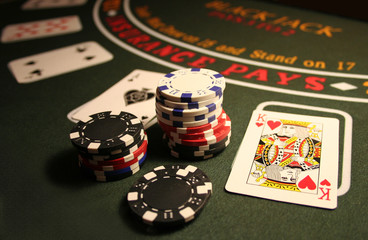
Chance also interacts with psychological factors, where players’ perceptions of luck influence their betting habits. Some might feel “hot” after a series of wins, leading them to increase their wagers, while others may feel “cold” after losses and retreat. This interplay between chance and player psychology is a fascinating aspect of casino gaming, underscoring how deeply luck influences the experience beyond just numerical odds and probabilities. The emotional highs and lows associated with their perceived luck can lead to an intense and immersive experience that keeps players coming back.
Luck and Player Behavior
The concept of luck significantly affects player behavior in casinos. Players often engage in rituals or superstitions in the hopes of attracting good luck. This might include specific ways of throwing dice, picking certain machines, or wearing lucky clothing. Such behaviors highlight the psychological need to feel in control amidst randomness. When players believe that they have the power to influence their luck, they become more invested in the games and, consequently, in the casino environment itself. This investment often translates into longer playing sessions and higher stakes.
Moreover, the presence of “hot” and “cold” streaks feeds into the notion of luck. When players perceive a machine or table to be lucky, they are more likely to gravitate towards it, sometimes dismissing the logical odds. This phenomenon can lead to prolonged playing sessions and increased betting, driven by the exhilarating hope of continuing a lucky streak. Casinos understand this aspect of player psychology and often design their spaces to showcase machines and tables that seem to be “paying out” to attract more players, creating a self-fulfilling cycle of luck perception.
With the allure of luck comes the risk of irrational gambling behavior. Players may continue to chase losses under the belief that their good luck is just around the corner. This gambling behavior can lead to problematic gaming patterns, where the distinction between entertainment and risk diminishes. Understanding the role of luck in shaping player behavior is crucial for both players and casinos, fostering a responsible gaming environment while still allowing for the thrill that luck brings to the table. This awareness can help players make more informed decisions about their gambling habits.
The Impact of Luck on Casino Economics
The economics of casinos is intricately tied to the concept of luck. Casinos operate on a model where the house always has an edge, but the unpredictable nature of luck can influence short-term results significantly. For instance, a lucky player who wins a large jackpot can lead to media attention, attracting new customers who want to try their luck. This influx of players can boost the casino’s revenue, even if it temporarily means payouts exceed expected earnings. Such scenarios illustrate how luck can have a direct impact on a casino’s bottom line.
Conversely, a streak of bad luck for players can create a different economic scenario. Casinos benefit from a string of losses, as players are less likely to walk away when feeling unlucky; they often believe their chance of winning is imminent. This cycle can encourage repeated visits and continued spending, reinforcing the casino’s overall profitability. This complex relationship between luck, player outcomes, and casino economics ensures that luck remains central to the overall operation of gaming establishments.
Additionally, casinos often leverage the unpredictability of luck to create marketing strategies that draw in customers. Promotions that spotlight the chance for big wins, such as large jackpots or bonus games, play into the hope and excitement associated with luck. By cultivating an environment where luck is both celebrated and strategically harnessed, casinos can maintain their allure while ensuring ongoing engagement and financial success. This symbiotic relationship between luck and economics is fundamental to the casino industry’s sustainability.
Conclusion: Embracing Luck in the Casino Experience
Luck remains a cornerstone of the casino experience, influencing everything from player behavior to economic outcomes. While skill may play a role in some games, the unpredictable nature of luck captivates both casual players and seasoned gamblers alike. The stories of wins fueled by luck help create a vibrant culture around casino gaming, making it more than merely a business transaction; it becomes an experience filled with anticipation and excitement. Recognizing this aspect fosters a deeper appreciation for the games and the environment.
As players, understanding the role of luck can enhance one’s approach to gaming. Acknowledging that luck is a fundamental aspect allows for a more balanced view of wins and losses. Instead of solely focusing on strategies, embracing the uncertainty can lead to a more enjoyable experience filled with the thrill of the chase. This perspective helps cultivate a healthier relationship with gambling, making it a source of entertainment rather than stress. It encourages players to play responsibly while still enjoying the excitement that comes with taking risks.
Ultimately, the fusion of luck and casino culture defines the essence of what it means to gamble. Whether you are visiting a physical establishment or engaging in online gaming, the unpredictability of luck is an integral part of the journey. Every spin, roll, or deal holds potential, and that mystery is what keeps players coming back for more, eager to discover where luck might lead them next. Embracing this element of chance not only enhances the gaming experience but also enriches the culture surrounding casinos, making it a unique blend of chance, strategy, and excitement.